How to Settle Into a New Place When You’re Staying for a Month or More
There comes a point in long-term travel when you have to stop being on vacation. For me, it usually happens somewhere around the grocery store.
If I'm going somewhere for a few days, I'm perfectly happy to eat out, explore constantly, have drinks every night, and generally behave like my credit card statement is a problem for Future Angela. If I'm staying for a month or three, that shit doesn't work.
I need groceries. I need exercise. I need somewhere comfortable to work. I need nights when I stay home and read or watch TV. I need to know where to buy laundry detergent. I need people around me, even if I don't necessarily want to talk to them that day. In other words, I need a life.
I've spent years living this way, moving between longer stays, housesits, rentals, hotels, and places I return to often enough that they've gradually become versions of home. And I've learned that settling into a place has very little to do with making a temporary apartment look like your permanent home. It's about making everyday life work there.
Start with the reason you wanted to be there
Before you worry about bus routes and grocery stores, go find the thing that made you want to be there in the first place. If you chose a mountain town because you love hiking, go for a hike. If you came for the food, find the restaurant you've been thinking about. If you want to train, find the gym. If you came because you wanted to be near the ocean, get yourself to the water.
The things that make you happy are often where you're most naturally yourself. They're also good places to meet people who already have something in common with you. When I arrive somewhere I already know people, I reach out and start making plans. If I don't know anyone well enough to text but know I might recognize a few faces, I'll swing by the bar, gym, coffee shop, or wherever those people tend to be.
If I know absolutely no one, I'll start looking for places where I might want to spend my time. Not necessarily the highest-rated places. The places that feel right to me.
Unpack before you start buying things
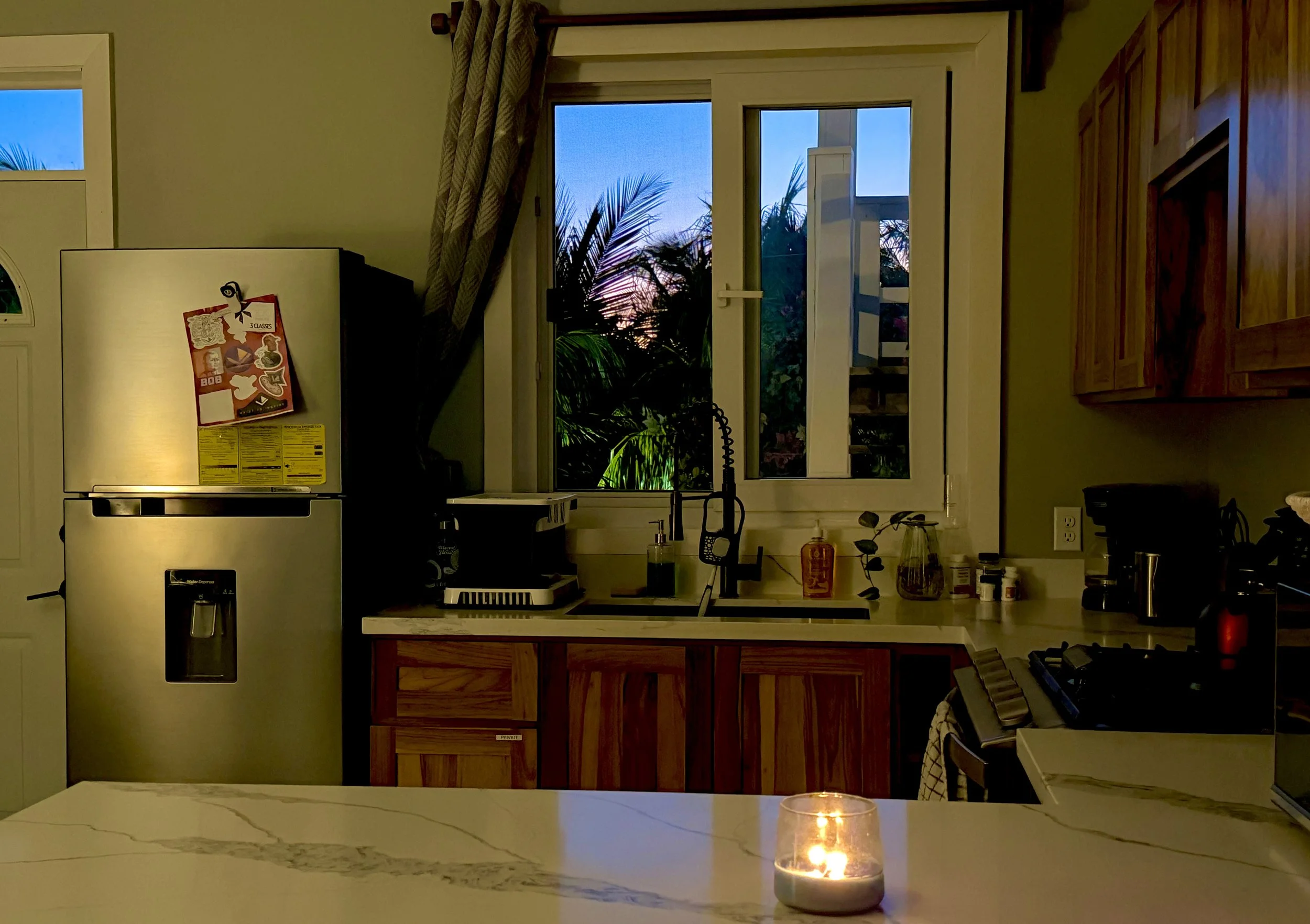
When I arrive somewhere I'm going to be living for a while, I unpack completely before I run errands. Partly because living out of a suitcase for six weeks makes me feel like I'm waiting to leave. But mostly because unpacking is reconnaissance. What did I bring? What does this place already have? What's missing?
I'm currently housesitting for a friend in a small mountain town in Colorado who doesn't drink coffee. This means he doesn't own a coffeemaker, a decision I find personally suspicious but have chosen to forgive. When I used to travel here with my car, I kept a French press with my basics. This time I flew in. No car, no traveling French press. Unpacking reminded me immediately that coffee infrastructure needed to be addressed.
The same goes for everything else. Is there laundry detergent? What cooking equipment is actually here? Where am I going to work? Does that spot have decent Wi-Fi? Is the chair going to destroy my back after three hours? I want to discover those things before I'm five minutes away from a work meeting or standing in a grocery store buying food I have no way to cook. Then I shop according to the home I'm actually living in, not the home I assumed I'd have.
Establish your anchors
Once I'm unpacked, I start building three things: people, provisions, and rhythm.
First, food. I'm not on vacation anymore, and eating out every day is terrible for both my wallet and eventually my body. I buy ingredients for the simple meals I normally eat when I'm home and working out. Having those foods in the refrigerator is one of the first things that makes me feel like I'm living somewhere instead of traveling through it.
Then I start sketching out my week. When will I work out? When will I walk the dog if I'm petsitting? Are there particular events I want to attend? Which nights might I go out? Which nights am I staying home? It's never rigid. That's part of the point of living this way. But a loose routine removes the feeling that every morning begins with the question: Okay, what the hell am I doing today?
Find places that make room for you
When I'm looking for a bar, restaurant, gym, or other regular hangout, I care less about how impressive it is than how people make me feel when I'm there. Recently, I went for pizza at a place in this mountain town where I used to know a lot of people. Management had changed, and this time I didn't recognize a single person in the building.
The bartender was friendly, though, and we talked whenever things slowed down. When I was ready to leave, he noticed there was only one glass of wine left in the bottle and told me he’d top me off for free. Obviously, I accepted this terrible burden. He also told me which nights he works. Was he flirting with me? Quite possibly. Am I going to go back during one of his shifts, say hello, and have a glass of wine? Absolutely.
That's how familiarity starts.
I look for the same thing in gyms, especially martial arts gyms where you're trusting other people with your body. Do experienced students train with beginners, or is there a hierarchy and a bunch of ego? Are people mindful about sharing equipment? Do instructors seem genuinely happy to be teaching? At the gym in the mountain town I dog sit, there's a woman whose fitness classes I will rearrange my schedule to attend. She's fun, knows her shit, accommodates different fitness levels and injuries, and remembers me every year when I come back.
That's worth far more to me than fancy equipment. When you're living somewhere rather than visiting once, the human experience matters.
Repeat yourself
Travel advice tends to worship novelty: Go somewhere new. Try another restaurant. Find the hidden gem. Don't waste a meal somewhere you've already eaten. Post about it and let everyone else know you’ve had the experience.
That's fine when you have three days. It's terrible advice for building a life.
If I like somewhere, I go back. I often visit bars at similar times, particularly when I know they won't be crowded. I tend to sit near the corner of the bar where I can see most of the room and have a wall, column, or something structural behind me. That's where I feel safest and most comfortable when I'm alone. I usually have a book with me. Sometimes I'll talk to everyone around me. Sometimes I'll happily read while other people talk around me.
Being alone and being isolated aren't the same thing. Even on the nights when I barely interact with anyone, I'm still becoming familiar. The bartender sees me again. A regular recognizes me. I recognize them. Eventually somebody knows your name.
But it can take time. This is my fourth year returning to the same little mountain town in Colorado, and last year was the first year I really felt like I'd become Angela rather than that woman who looks vaguely familiar but I can’t figure out why. That's one reason leaving places where I've built community can be harder than I expect. It took work to become Angela there.
Build defaults, but don't turn them into boundaries
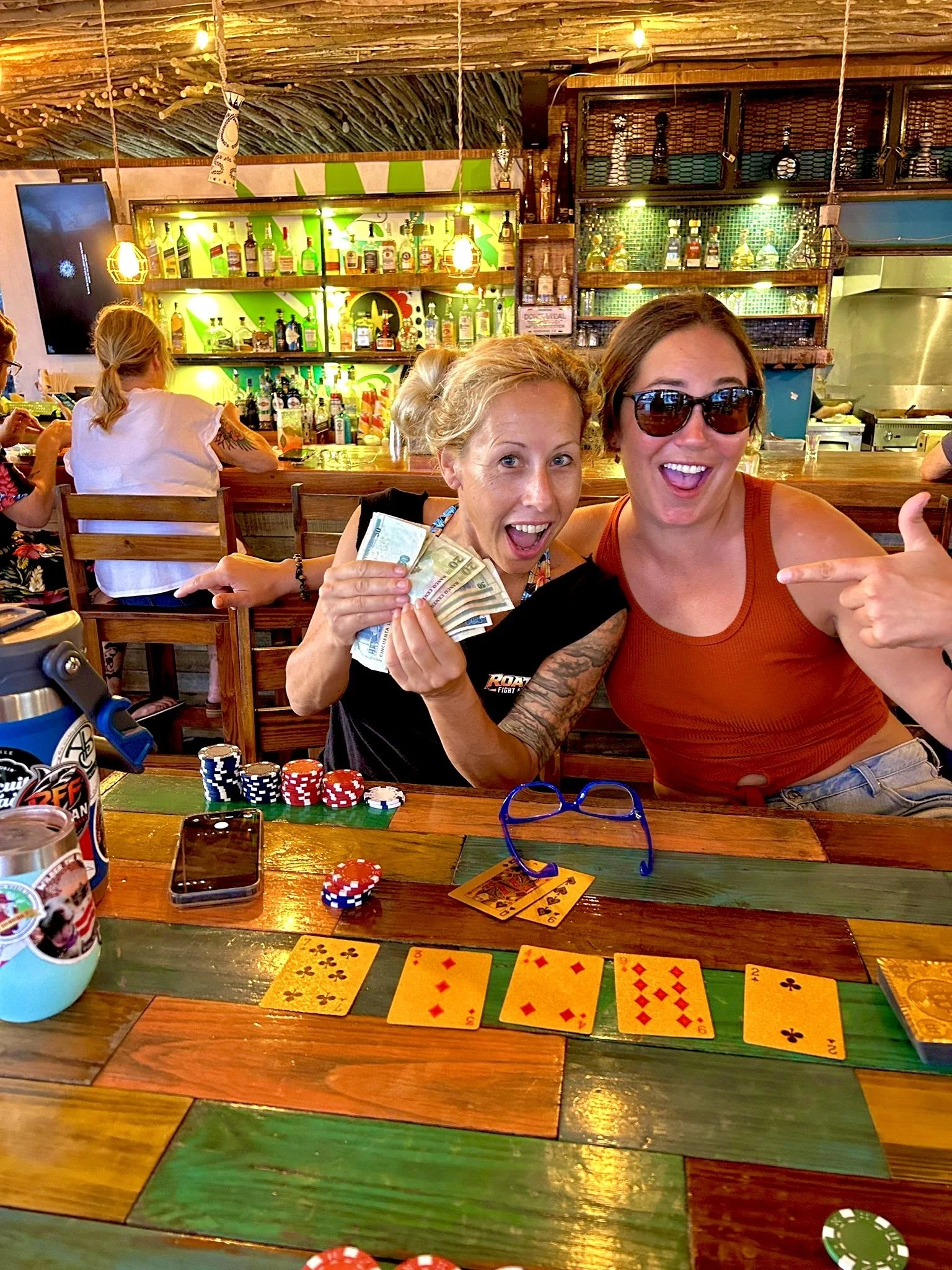
Familiarity doesn't mean you have to stop exploring. If I have a bar I love on a particular night because there's poker or something else happening, I'll keep going. I can try somewhere new another night. Sometimes I'll start at the new place and see how I like it. If I'm not feeling it, I can always finish the evening somewhere familiar.
There's very little downside to trying something new when you already know where Plan B is. Defaults make life easier. They become a problem only when they quietly turn into boundaries.
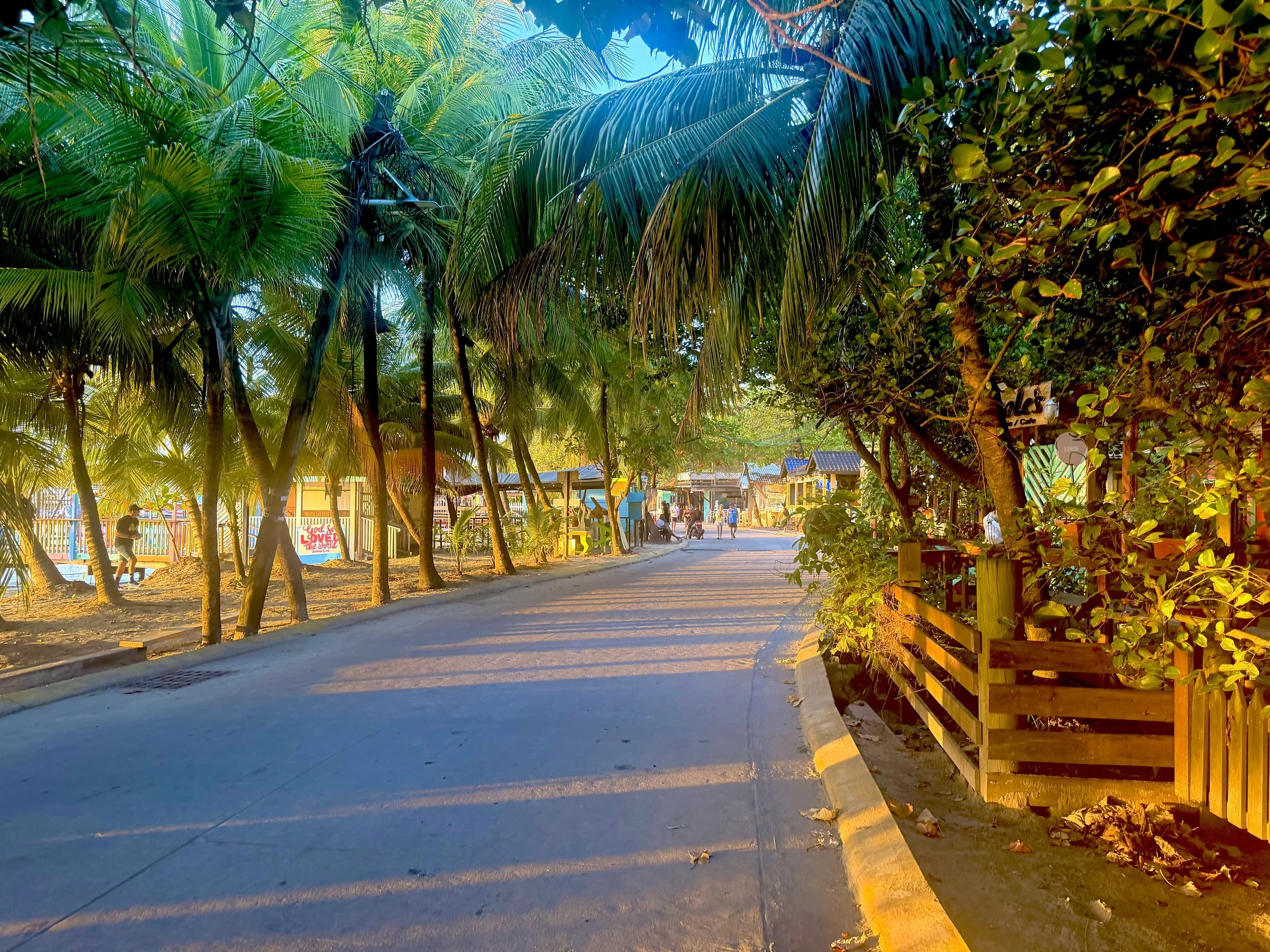
I'm probably guilty of this in Roatan, where I live in West End and could quite happily never leave the village. Everything I need is there. My friends are there. My routines are there. Whenever I do leave West End, I almost always enjoy myself. It's the leaving West End part that my brain has somehow transformed into an administrative undertaking. Apparently one possible side effect of successfully making somewhere home temporarily is that everywhere four miles away becomes travel again.
Let the place change your routine
One of the biggest mistakes you can make during a long stay is trying to force your existing routine onto a place that doesn't support it. This year in Colorado, I don't have a car. So I'm learning the bus system and discovering how many groceries I'm realistically willing to carry for a mile and a half.
My fitness routine is changing too. My gym membership is sold in month-long increments. Right now the weather is beautiful, so I'm running and walking outside. I'd rather save the paid gym month for later, when it's cold and snowy and I'll get more value from having somewhere indoors to train.
You don't have to live exactly the same way everywhere. In fact, that's partly the fun of it.
And sometimes, change the place
There is another option when you can't find something you need. Create it.
When I started spending more time on Roatan, my fitness options were mostly traditional weightlifting, yoga, and swimming. There's nothing wrong with any of those things. I just don't particularly want to do them consistently. What I wanted was Krav Maga and kickboxing, which have been my main fitness activity for about 15 years now. So I found somewhere I could teach them.
My motivation was not entirely altruistic. If I teach enough other people these arts, eventually I have people to train with. Everybody wins. But it also changed my relationship with the island. Instead of only asking what the place could provide for me, I started contributing something I wanted to see there.
I volunteer at a little used bookstore in West End, too. That's a different kind of participation: instead of creating something that was missing, I'm contributing to something the community already built. You don't have to start a martial arts program. Volunteer somewhere. Start the book club. Organize the walk. Invite people over to watch football. Find someone who wants to practice a language. Sometimes community begins because somebody wanted something that didn't exist yet.
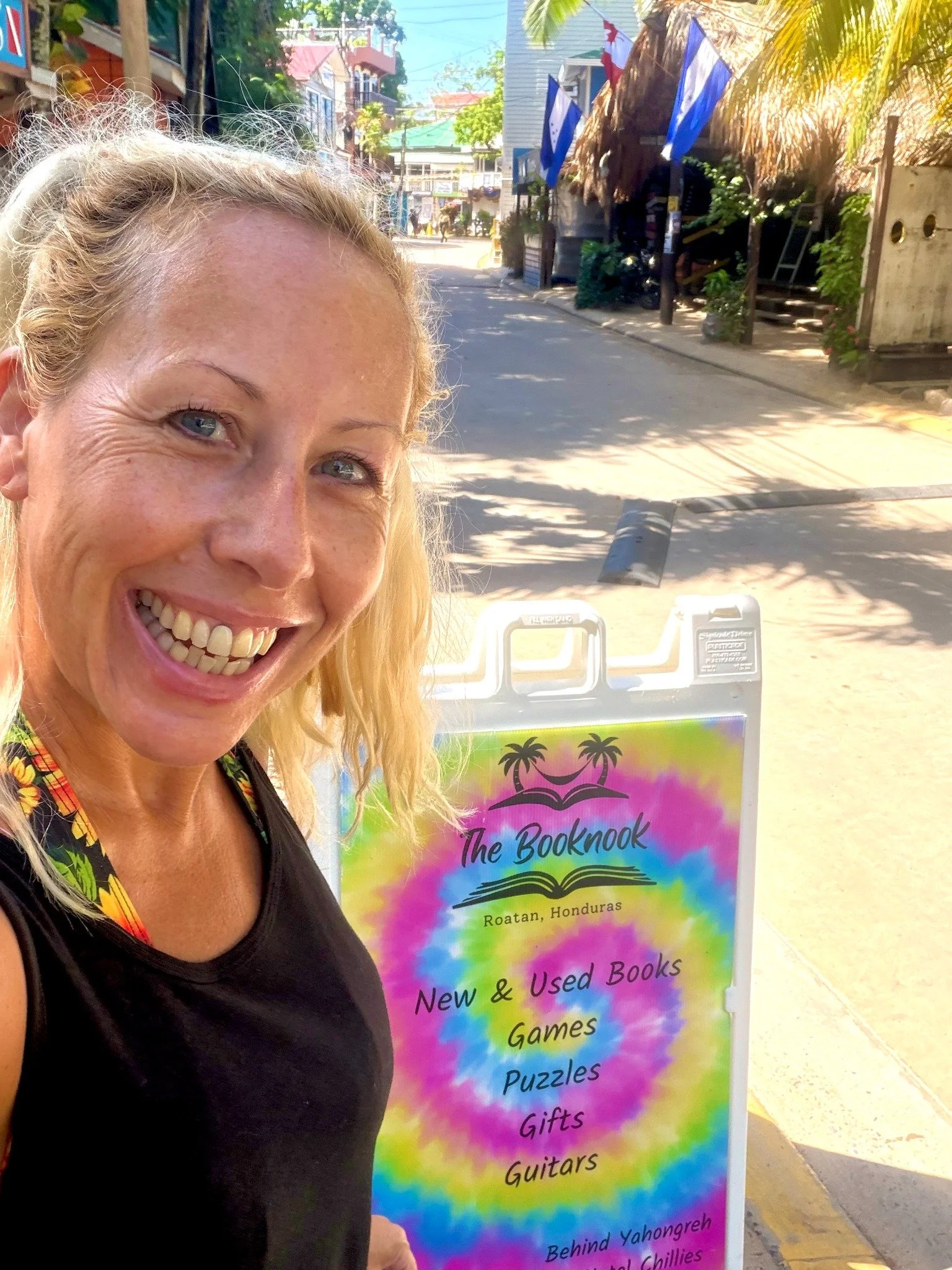
Volunteering at the Booknook in West End, Roatan.